


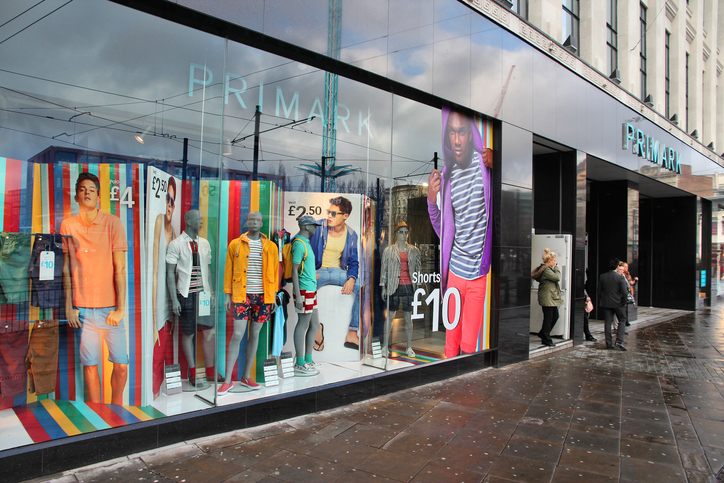
Three of Britain’s largest supermarket clothing ranges have received lower ethical fashion ratings than budget retailer Primark, according to a new report from Christian charity BMS World Mission raising concerns about garment workers’ wages and the environmental practices of major fashion companies.
The UK Ethical Fashion Guide 2026 examines 336 clothing and footwear brands owned by 99 companies, assessing their efforts to protect workers’ rights and reduce environmental harm.
The findings reveal widespread shortcomings across the industry, with 88% of the companies assessed failing to demonstrate that they pay a living wage in any of their additional hours of work each month to meet her family’s expenses.
“It’s not for extra income; it’s for needs,” she explained.
Her ambition is to eventually establish her own business and become financially independent.
BMS World Mission said these experiences demonstrate why consumers should look beyond the prices displayed in shops and consider the circumstances of those producing their clothes.
The Youth Engagement Officer at the charity, Orla Moxon, encouraged shoppers to examine brands’ ethical records before making purchases, particularly ahead of the Black Friday sales in November.
“Our research shows the two are not connected – some budget brands out-score far more expensive names,” she said, referring to the relationship between clothing prices and ethical performance.
The charity is urging consumers to make more informed purchasing decisions, including buying new clothes less often, repairing or reusing existing items, and considering second-hand alternatives.
It is also encouraging people to contact retailers about their employment practices and raise concerns with MPs about stronger protections against labour exploitation and environmental damage.
For Christians, BMS argues that ethical consumption is connected to biblical teachings about justice, human dignity and responsible stewardship of creation.
Alongside the fashion guide, the organisation has developed a four-part Bible study reps consider how their clothing choices relate to Christian values
The studies explore the relationship between fashion and personal identity, the exploitation of garment workers, environmental responsibility, inequalities affecting women in the garment industry, drawing on Christian teachings about justice, creation and human dignity.
BMS hopes the research will encourage Christians and other consumers to recognise how everyday purchasing decisions can influence conditions faced by workers around the world.
“The clothes we choose to wear reflect our style and identity,” the report states. “They also reflect what we value.”
